

Posts by admin
Species Alert: Lesser Celandine
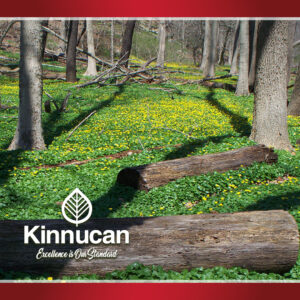
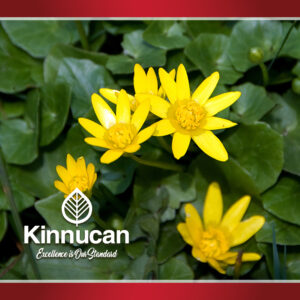
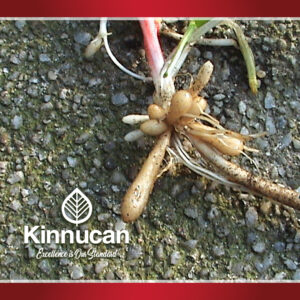
An extremely invasive plant, Lesser Celandine, also known as the fig buttercup, spreads rapidly and can overpower native spring ephemerals and take over lawns if not properly controlled. Now is the time to fight back. Look for this invader’s showy, yellow flowers in lawns, perennial beds, wooded habitats, and ravines. Because it tends to grow in dense mats, the best and most efficient way to control this invasive plant is through broadleaf chemical control applied by certified technicians from Kinnucan.
We Can Help! Reach Out For An On-Site Consultation, Schedule Treatment and Take Control Today!
The Time To Treat For Ticks Is Early Spring
|
|
Peter Gordon Joining the Kinnucan Company Team!
Kinnucan is pleased to announce Mr. Peter Gordon is joining us as Director of Operations/Client Engagement. Many of our clients know Peter as the former Lake Forest City Forester and Supervisor of Parks and Forestry for many years. Peter also served as President of Illinois Arborist Association.
While tree care is Peter’s primary professional interest, he is very knowledgeable and experienced in all aspects of landscaping and native plant management. Furthermore, beyond his administrative responsibilities, Peter often is in the field working with the various crews. Needless to say, he is a very competent and dedicated individual to the outdoor environment.
Peter’s interest in joining Kinnucan Company was motivated by Kinnucan’s full-service capabilities of tree care, plant health care, property management, and landscape design build.
Kinnucan has been providing superior Tree and Landscape services on the North Shore for over fifty years as a locally owned business.
A Very High Amount of Apple Scab In Our Area
Apple Scab is a foliar fungal disease that affects all species of the Apple Family, particularly flowering Crabapple trees. As new, tender leaves are emerging, microscopic fungal spores land on them and begin their life cycle. As the fungus matures, it causes unsightly lesions on the leaf. The leaves turn brown and drop off in the middle of Summer. Due to the combination of weather factors this year, we have seen a very high amount of Apple Scab across our area.
Good News… Kinnucan Can Help! Enroll in our Ornamental Treatment Program. It is a great way to control this disease and, better yet, prevent it from causing problems in the future!
CONTACT KINNUCAN TODAY for a Free Consultation!
847-234-5327 • Kinnucan.com
2024 Is A Particularly Bad Year for Magnolia Scale
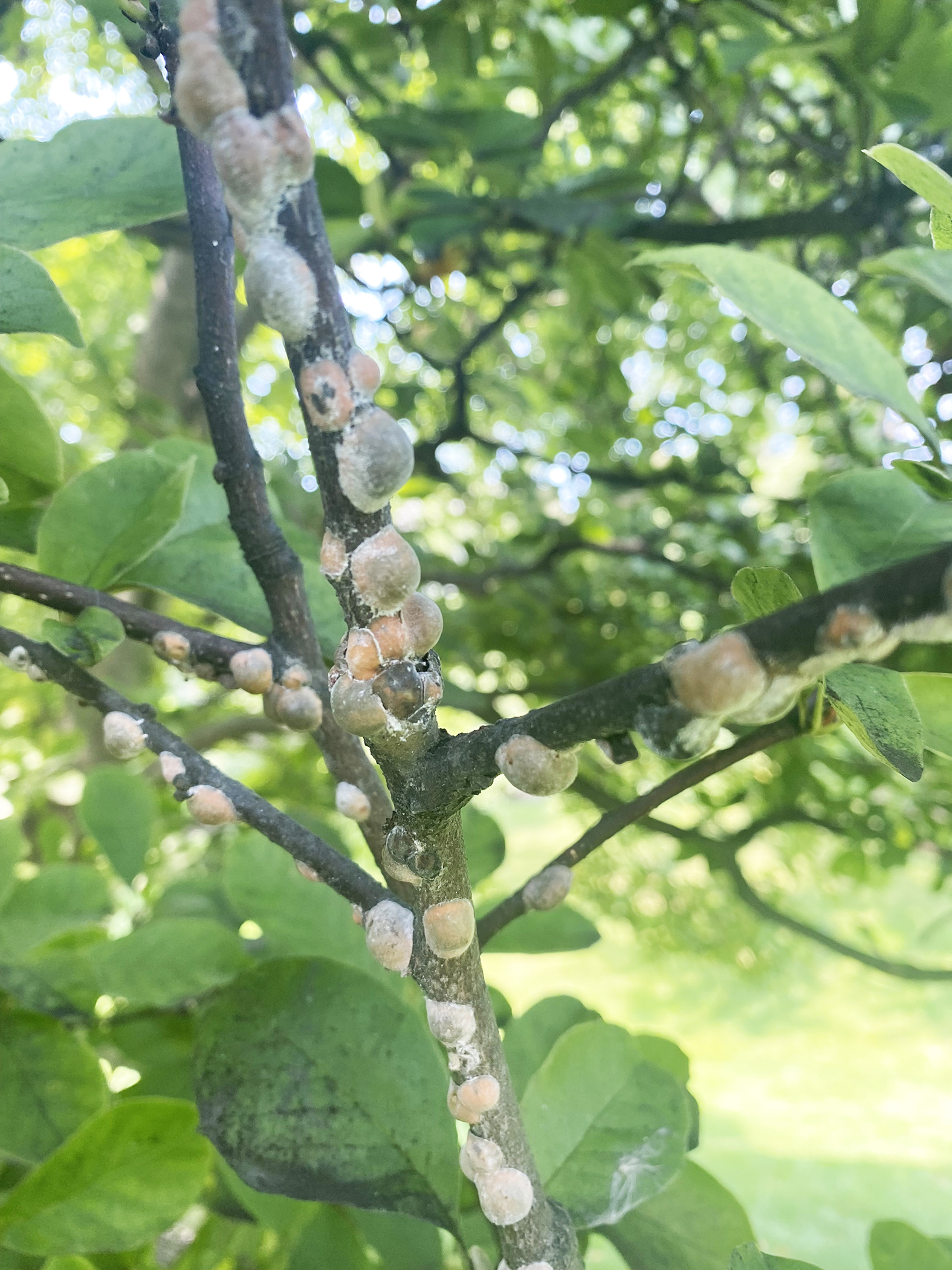
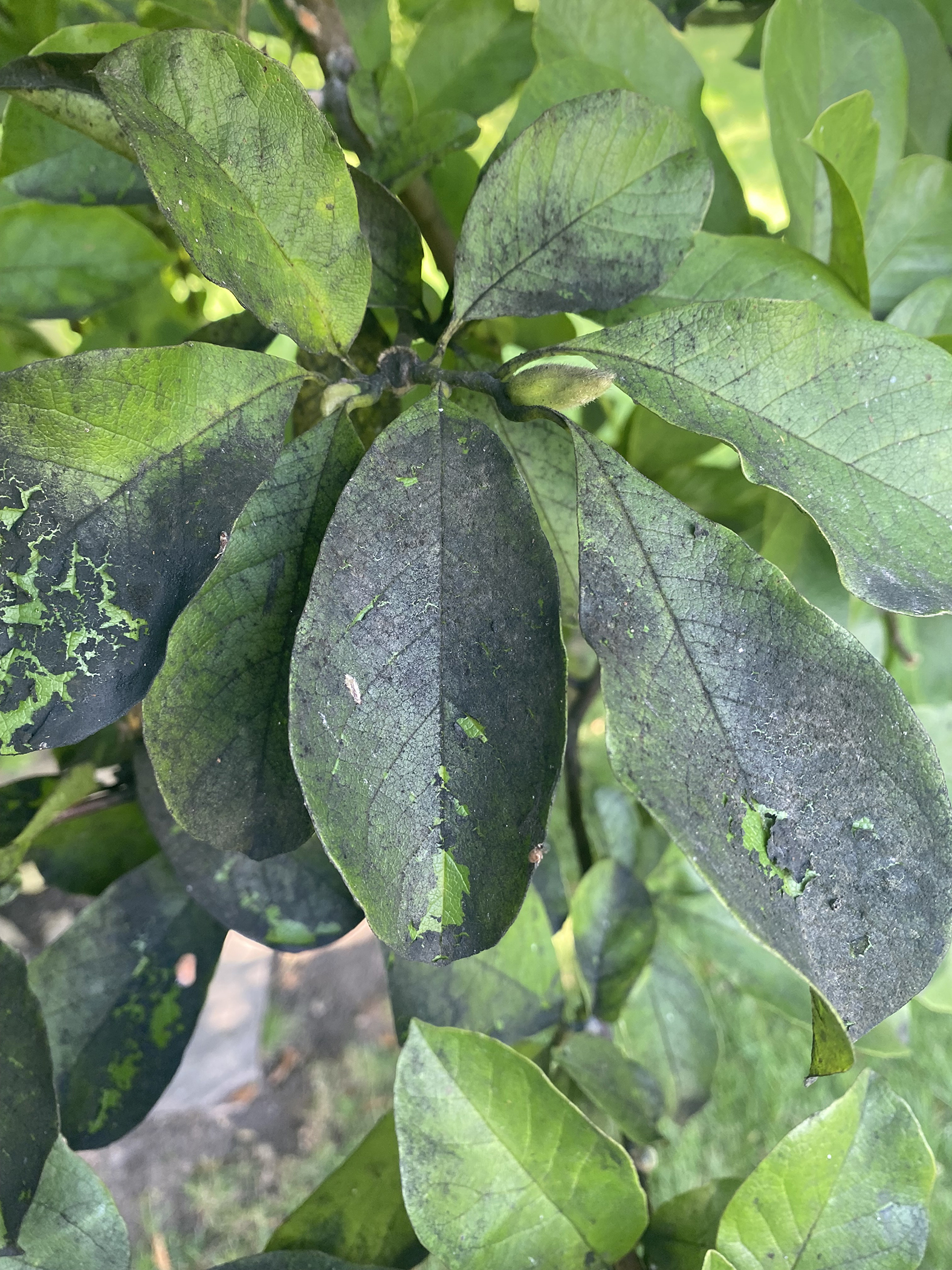
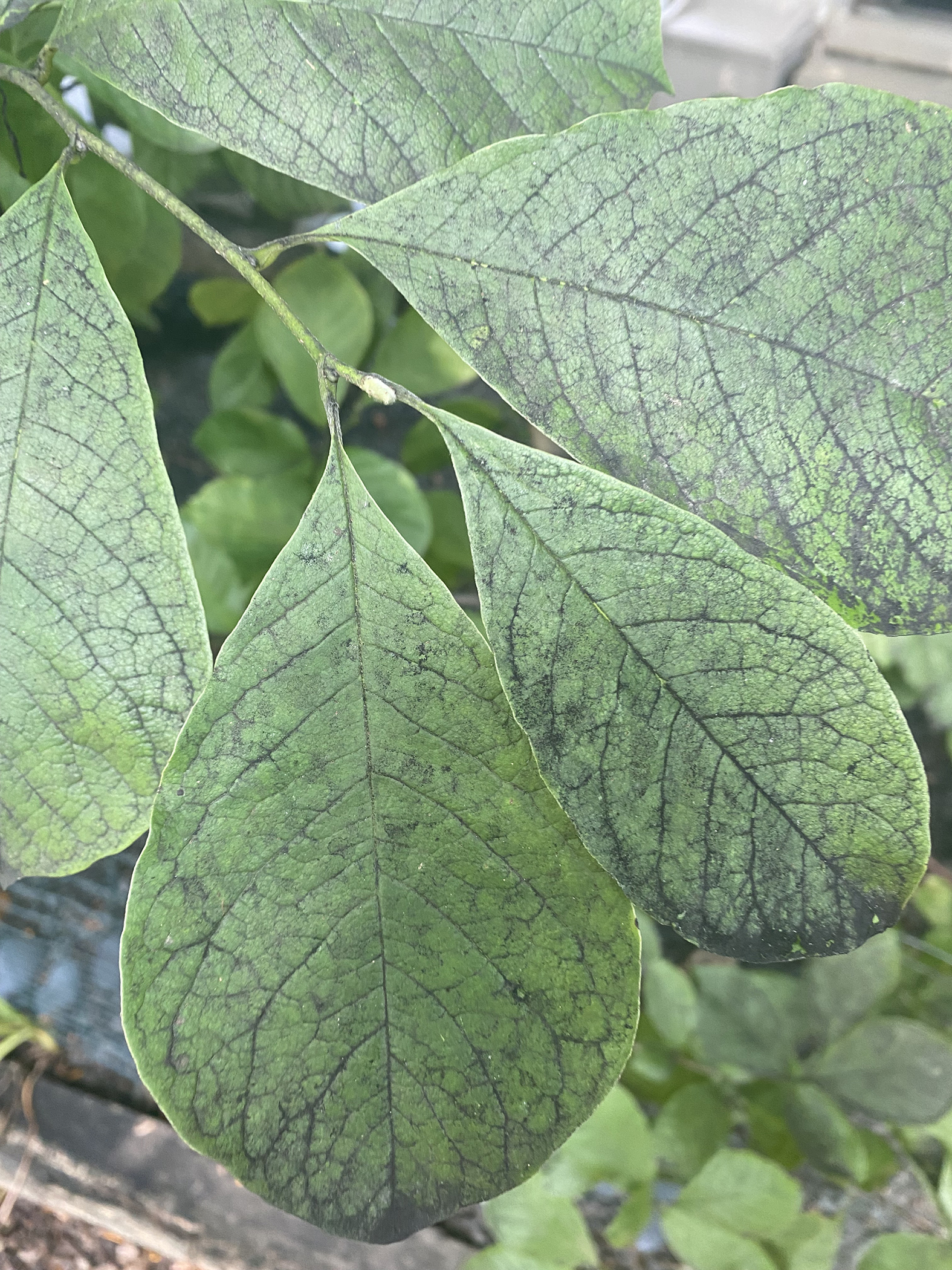
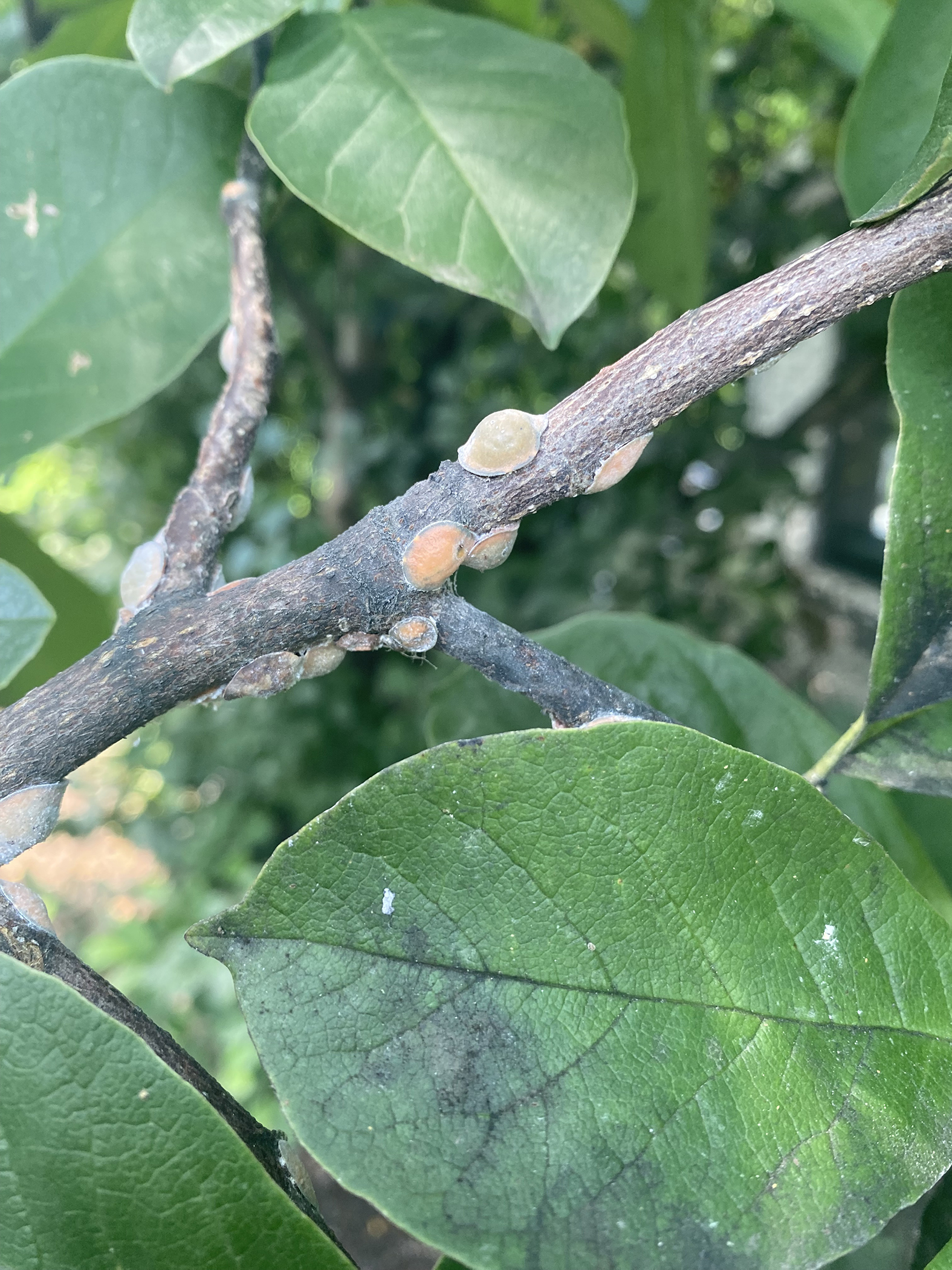
Magnolia Scale is an insect with a protective armored shell. It feeds on the sap of Magnolia trees and as they feed, Scale will excrete a waste known as honeydew. Honeydew will attract insects and parasitic wasps. It will also turn the Magnolia’s leaves black as well as anything under the tree that the honeydew drips onto.
Good News...there is Hope! Kinnucan provides a multi-step treatment plan that interrupts the life cycle of this unusual pest!
CONTACT KINNUCAN TODAY for a Free Consultation! 847-234-5327 • Kinnucan.com
Tick &. Mosquito Populations on the Rise!

Spring has finally arrived in our area with temperatures in the mid to upper 80’s! With the recent rain, combined with heat and humidity, we are already seeing mosquito and tick populations on the rise. These pests are not just a nuisance to your outdoor activities ~ they can also transmit illnesses from Lyme Disease to West Nile Virus and others that could pose health risks to people and even pets.
CALL TODAY for a FREE CONSULTATION on Our SAFE & EFFECTIVE Treatment Options… 847.234.5327
Why Are the Oak Trees Dying?
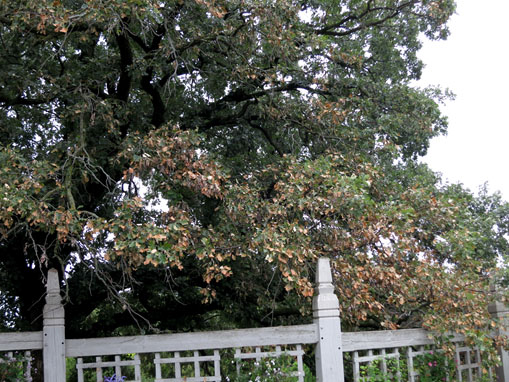
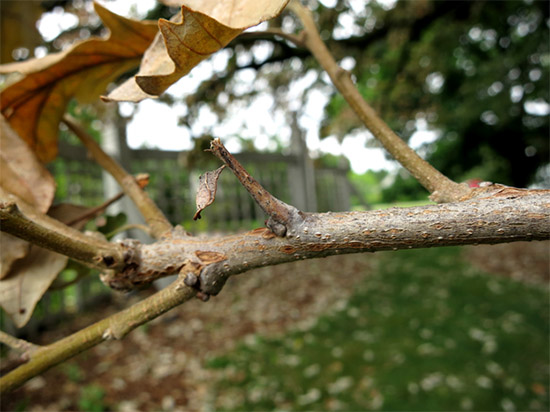
This question is most asked these days in the Northern suburbs of Chicago. Residents' tree awareness is especially keen these days, it seems, since the area has lost hundreds of thousands of ash trees due to the Emerald Ash Borer. So, what is causing the death of so many oak trees?
The answer is complex—a number of factors. The comprehensive answer is a combination of diseases, weather phenomena, and insects. In this article, we’ll explore these causes in depth and offer solutions to protect your oak trees.
The Complex Causes of Oak Tree Decline
Are there diseases that affect only one species of oak trees? Yes, Burr Oak Blight (BOB). This fungal disease affects Burr Oaks specifically, causing leaf discoloration and defoliation.
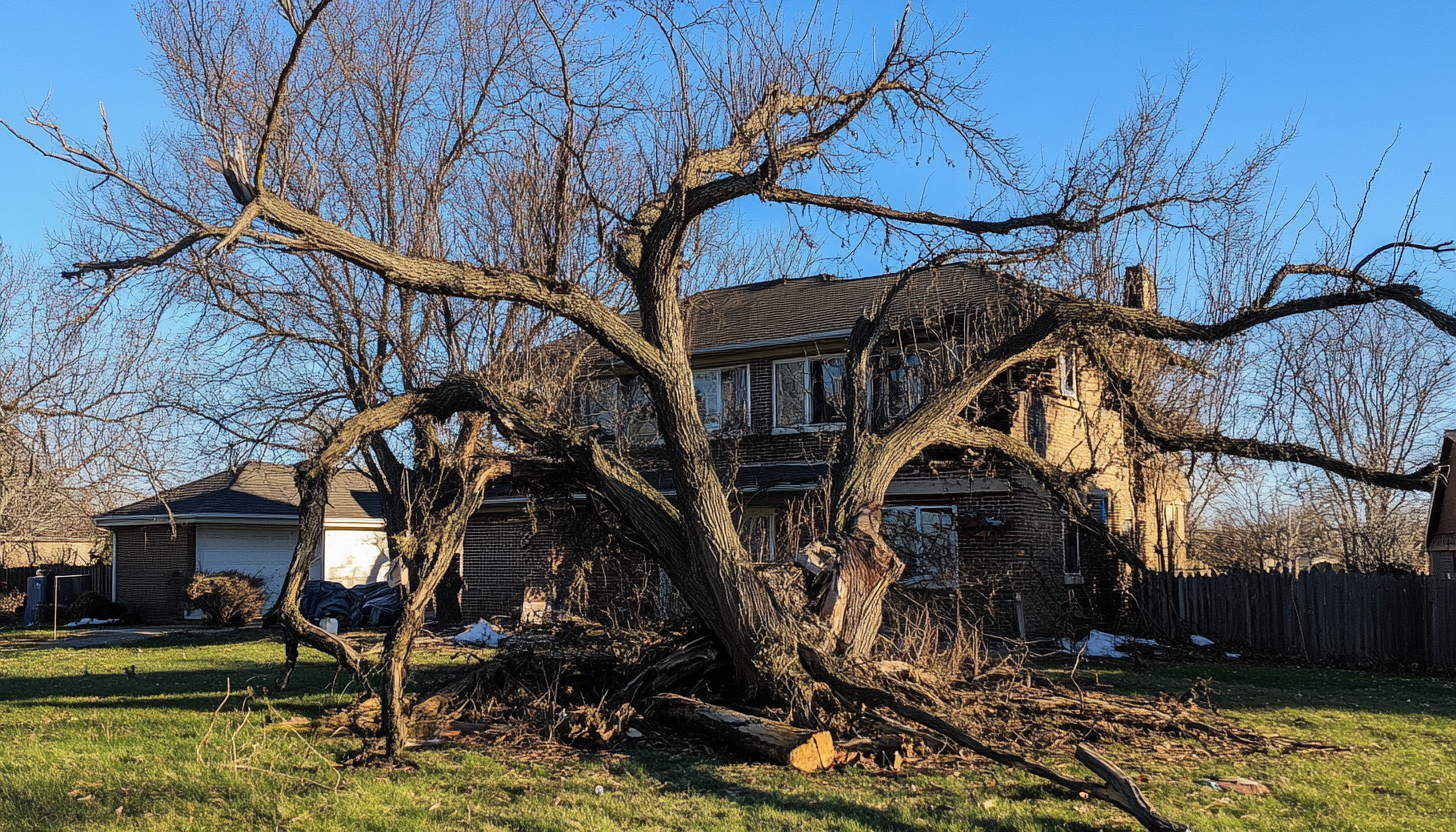
What diseases affect other oak species, such as White Oaks and Red Oaks? Oak Wilt, a vascular fungus disease, kills many White and Red Oaks. This disease is very similar to Dutch Elm disease since it’s primarily spread by bark beetles and/or adjacent trees’ roots grafting. It appears that the Red Oaks are more susceptible than the White Oak varieties.
In addition to these diseases, the extreme weather the Midwest has experienced over the last decade, combining excessively wet, dry, hot, and cold weather spells, has caused significant stress on the oak species.
Oak Wilt: A Deadly Vascular Disease
There is no cure for oak wilt. The best prevention for this deadly disease is frequent inspection of suspect oaks. If disease is identified and confirmed, remove the infected tree. Root pruning adjacent trees may prevent root grafting of diseased trees to healthy trees.
The Role of Pests and Fungal Diseases
Pests like bark beetles contribute to the spread of oak wilt fungus, while other fungal diseases, such as oak root rot and hypoxylon canker oak, weaken the tree’s structure. Are there other factors, insects, or diseases afflicting oak trees? Yes, environmental conditions combined with existing diseases often exacerbate oak decline.
Recognizing Symptoms of Oak Tree Diseases
How do I properly diagnose the condition of my oaks? Contact a certified arborist that is trained and experienced in dealing with the various oak diseases.
Symptoms to watch for include:
- Black fungus on oak tree trunk
- Brown spots on oak tree leaves
- Wilting oak leaves
- Mushrooms on oak trees
These signs may indicate fungal infections like oak leaf blister, burr oak disease, or root-related issues such as oak root rot fungus.
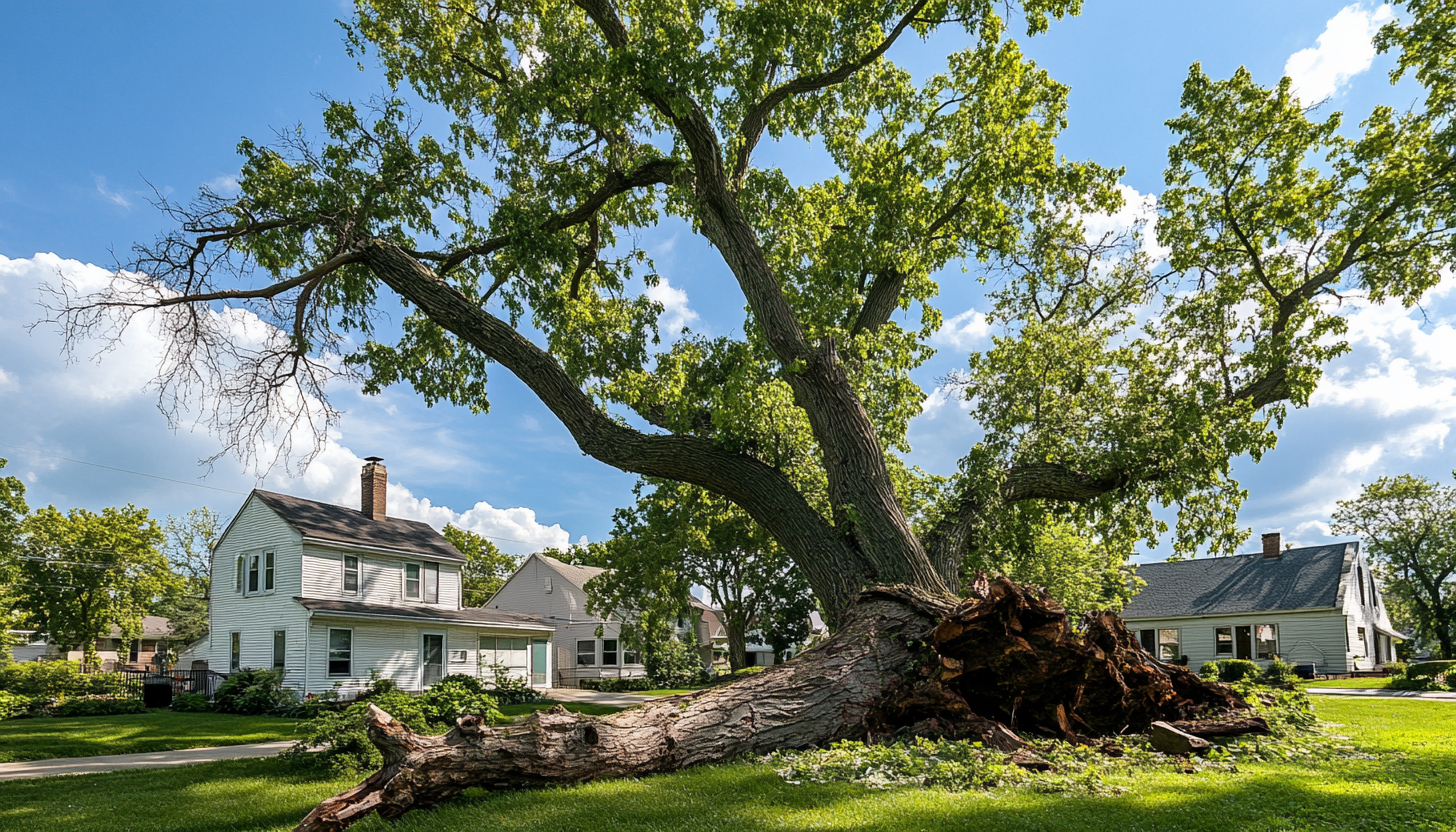
Proactive Measures to Protect Your Oaks
Preventative care is essential to maintain healthy oak trees. To protect your oaks:
- Conduct regular inspections to identify issues early.
- Avoid pruning during peak bark beetle activity to minimize the spread of oak wilt disease.
- Improve soil drainage and reduce stress on trees to prevent infections like oak blight or root rot in oak trees.
When to Call a Professional
Proper diagnosis and treatment require expertise. Certified arborists can determine the presence of oak wilt symptoms or other diseases and recommend solutions, including oak wilt fungicide applications, root pruning, or tree removal.
By understanding the risks and taking action quickly, we can help ensure that oak trees remain a vital part of our landscapes for generations to come.
New President at Kinnucan!
On April 29,2021 Kris Bockhaut was promoted to President of Robert Kinnucan Tree Experts and Landscaping Company, Inc.
Ms. Bockhaut began her career at Kinnucan as Office Manager specializing in Human Resources and Accounting functions. January 2016 Ms. Bockhaut was promoted to Vice President and CFO. She has been a significant officer at Kinnucan which has experienced significant growth in top line sales and asset acquisitions. She provides great leadership and is key to the wonderful corporate culture that Kinnucan clients and employees appreciate.
Robert Kinnucan, former President of Kinnucan will assume the role of Chief Executive Officer.
Forest & Bluff Magazine Article
CULTURE & COMMUNITY IN THE NEIGHBORHOOD
A STEADY CLIMB
How One Young, Nature-Loving Lake Forester Took His Summer Job to Stratospheric Heights
words by Rochelle Newman Rubinoff
portrait photography by Ray Fitzgerald Photography
There are so many ways Robert Kinnucan’s story could begin: How a summer job turned into a multi-million dollar business; or how a love of nature became a lifetime of success and satisfaction; or how one inexperienced tree climber grew his tree care business to be one of the most successful in the Chicago area.
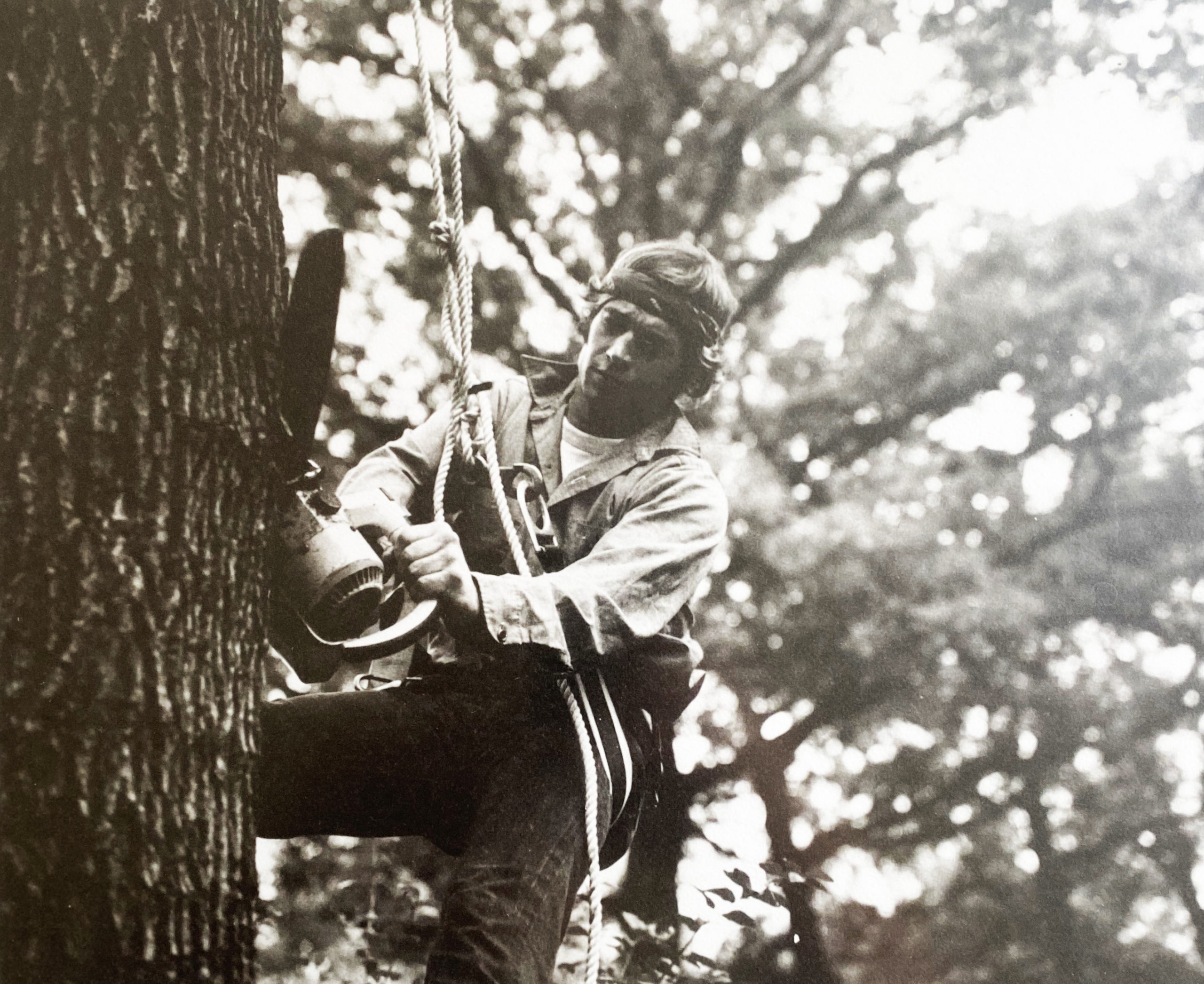
This July, Robert Kinnucan Tree Experts and Landscaping Company, Inc. celebrated its 50-year anniversary. That is quite an accomplishment by any standard, and definitely a time to look back and take stock. There is no doubt that Bob Kinnucan is one of the few entrepreneurs who turned what was initially a summer job into a wildly successful company.
In 1970, Kinnucan returned home to Lake Forest during his summer vacation from the University of Kentucky, where he was studying business administration and economics, and started doing tree care work to help pay for college tuition and living expenses.
“I didn’t have a clue what I was doing,” Kinnucan laughs. “I was young and dumb. I didn’t even know how to properly climb a tree.”
“I hadn’t thought I was going to do this for the rest of my life,” Kinnucan says. “But nevertheless, after I graduated, I thought I’d do this for a little while. At least for the summer and then when fall came, I’d get a real job. But when fall came I had more work, so I thought I’d do it for a few more months and finish up the commitments I had.”
“But the work just kept coming, and I decided if I was going to do this, I’d better make a serious commitment. So I went out and started buying more equipment and that’s how the business got started. I went into this full time after I graduated in 1972.”
“In those days, there were not many professional arborists,” Kinnucan says. He decided to take the Illinois Tree Expert exam, which covered all aspects of professional tree care.
As time went on, the business grew, and in the mid-’80s they added landscape design and construction, plant health care, snow removal, and holiday décor to their areas of expertise. In 2016, Kinnucan added structural pest control to their list of services.
I always knew I’d have my own business—getting a degree in business was extremely helpful in becoming a long-term successful business.” He was an early adaptor of a special climbing technique using a short line in addition to the regular long climbing line that was traditionally used. “This is much safer, as the short rope attaches at the waist allowing you to be secured to the tree at all times,” he explains. “I was also one of the first arborists in the Chicago area to use a STIHL-brand German chainsaw. It’s kind of like driving a Mercedes versus a Chevy.” Today Stihl is the industry standard chainsaw.
Kinnucan, of course, has always loved nature. “That was an important part of why I got into this business. I spent a lot of time hiking, exploring, and enjoying nature in my youth.” He was a proud member of Boy Scout Troop 49 in Lake Forest. “Our troop was very active,” Kinnucan reflects. “We camped out once a month, all year long, regardless of the weather conditions.”
While Kinnucan is still active in the business, he has built a strong management team, which allows him to split his time between Florida and Lake Forest. “Truly, the key to my success is having great people work for me,” Kinnucan says.
It is no surprise that many of his 50 employees have been with him for decades. One of whom is Kris Bockhaut, who started as office manager twenty years ago and was promoted to vice president in 2015.
“I take pride in the changes and growth we have experienced over the years. We have an outstanding team and every crew member plays an important role in the company’s continued success,” Bockhaut says.
In addition to the amazing team they have in place, Kinnucan is equally grateful to have an incredible and loyal client base. “I have become close friends with so many of them,” Kinnucan says. “Our clients take pride in their homes and landscapes, and that commitment affords us the opportunity to maintain their property at the high level of service they deserve.”
Of course, being in business during the current COVID-19 pandemic presents its own unique set of concerns. “But anyone who’s been in business for this length of time has faced many crises and challenges,” Kinnucan adds.
“Tree work is one of the most dangerous occupations,” Kinnucan says, continuing, “safety has always been a top priority for the company and is a big challenge, especially considering the dangerous equipment, hazardous conditions, and often working in inclement weather.”
Kinnucan greatly appreciates the support of the community, and over the years has donated time, talent, money, and resources to many local projects. Some of them include a recent landscape renovation at Washington Park in Lake Bluff, in conjunction with the Lake Bluff Garden Club; tree care at Forest Park in Lake Forest; tree work at the Lake Forest Beach bluff project; tree care at the park at Deerpath and Green Bay; and the lighting at Lake Bluff Gazebo Park. Kinnucan has been a member of the community for half a century, contributing to the beauty and vitality of the North Shore.“We are looking forward to continuing our efforts for many years to come.”
For more information, contact Kinnucan Company, 2887 Nagel Court, Lake Bluff, 847-234-5327, kinnucan.com.
Crews in Evanston Treating Elm Trees!
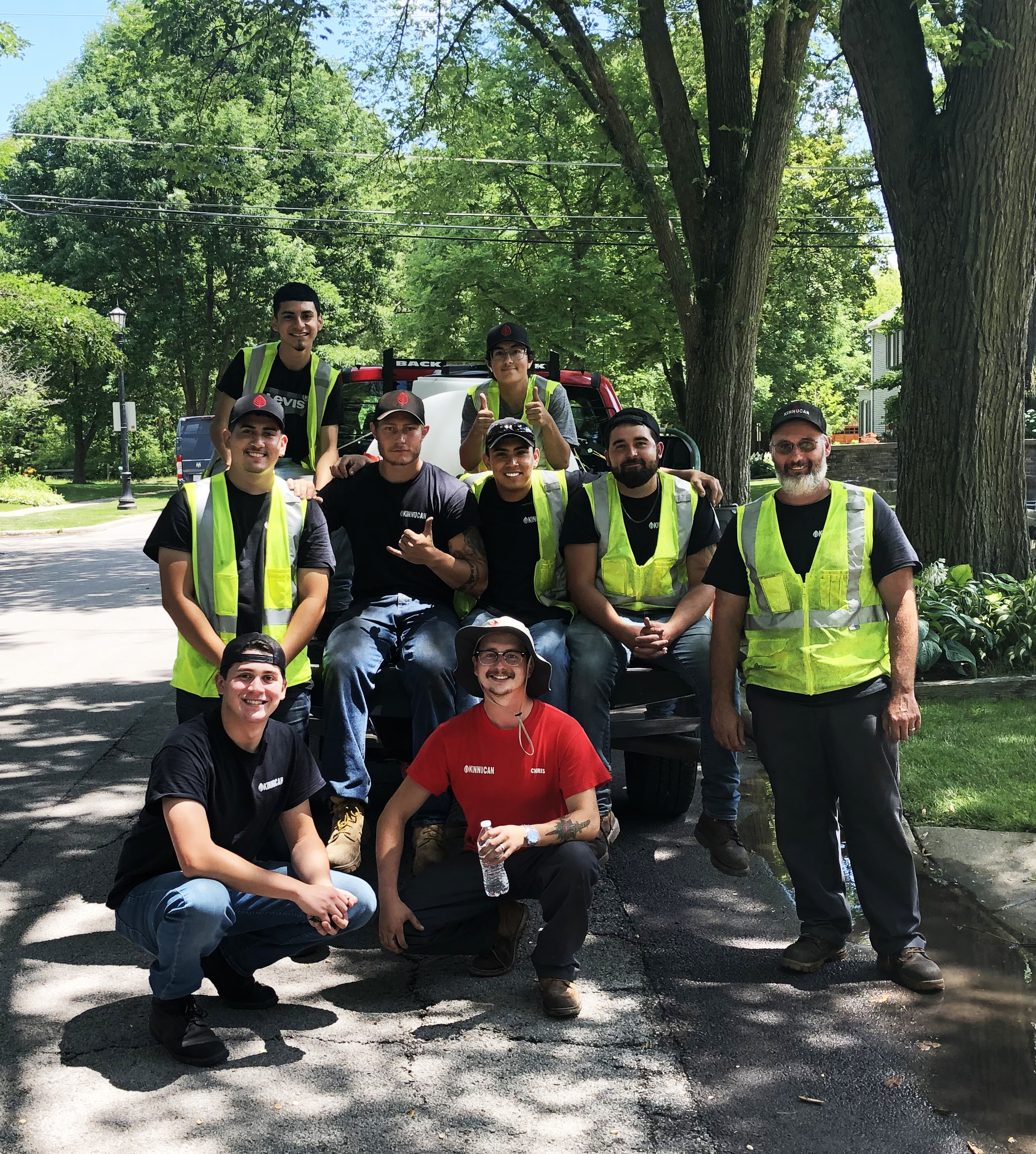
Kinnucan Tree Experts has been contracted by the City of Evanston to treat their parkway Elm Trees against the Elm Bark Beetle. Work is progressing nicely and should be completed by end of Summer!